Losing a filling may seem like a minor dental issue, but if left untreated, it can lead to significant oral health problems. A filling is designed to protect a tooth that has been damaged by decay. When the filling is lost, the tooth is once again exposed to bacteria and further decay. In this article, we’ll explore what happens if you lose a filling and don’t get it fixed, along with the potential consequences and why timely treatment is crucial.
A filling restores the integrity of a tooth after it’s been compromised by decay. When you lose a filling, the exposed area becomes vulnerable to bacterial buildup, food particles, and further decay. If left untreated, the open space in the tooth can worsen, leading to complications such as infections, tooth sensitivity, and even the potential loss of the tooth. Promptly addressing the problem is essential to prevent further damage.
What the Research Says
Research shows that more than 90% of adults have had at least one cavity in their lifetime, many of which are repaired with fillings. When a filling falls out, it leaves the tooth defenseless against additional decay. Studies indicate that a lost filling can lead to rapid progression of decay, causing further structural damage to the tooth and increasing the risk of more complex dental issues like root canals or extractions.
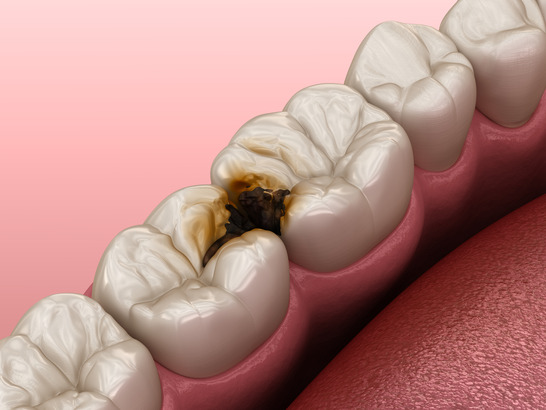
Common Consequences of Not Replacing a Lost Filling
1. Increased Tooth Decay
Without a filling to protect the damaged area, the tooth is more susceptible to decay. The cavity that was originally filled may expand, as bacteria and food particles can now enter the unprotected area. If decay progresses, it can reach deeper layers of the tooth, making it more difficult and costly to treat.
2. Tooth Sensitivity
When a filling is lost, the exposed tooth may become sensitive to hot, cold, or sweet foods and drinks. This sensitivity occurs because the protective layer is gone, leaving the nerves inside the tooth vulnerable to external stimuli. The sensitivity may start as mild discomfort but can worsen over time if the issue is not addressed.
3. Infection and Abscess Formation
If decay progresses without the protection of a filling, it can reach the tooth’s pulp, which contains nerves and blood vessels. This can lead to an infection, resulting in the formation of an abscess. Abscesses are painful, pus-filled pockets that develop at the root of the tooth or in the surrounding gums. If left untreated, the infection can spread to other parts of the body, leading to more severe health complications.
4. Tooth Fracture
A tooth that has lost its filling is structurally weaker and more prone to cracking or fracturing. A crack can lead to further complications, such as tooth loss or the need for more extensive treatments like crowns or root canals. If the tooth fractures beyond repair, extraction may be the only option.
5. Pain and Discomfort
The unprotected tooth can cause significant pain, especially when exposed to extreme temperatures or when chewing. As the decay or infection worsens, the pain may become persistent and more intense, potentially disrupting daily activities like eating and speaking.
6. Potential Tooth Loss
If the decay progresses unchecked, it can destroy the tooth’s structure, making it impossible to save. In cases where the damage is extensive, the tooth may need to be extracted. Tooth loss can affect your ability to chew and speak properly, and replacing a lost tooth can be costly and involve more invasive procedures like implants or bridges.
How Long Can You Leave a Lost Filling Untreated?
The length of time you can leave a lost filling untreated depends on the extent of the damage and your oral hygiene. While you may not feel immediate discomfort, decay can progress rapidly, especially if food particles and bacteria collect in the exposed area. Dentists recommend addressing the issue as soon as possible to prevent further complications, as leaving it untreated for weeks or months can lead to more extensive damage.
How to Fix a Lost Filling
Fixing a lost filling requires prompt dental care to restore the tooth and prevent further decay:
- Filling Replacement: In many cases, your dentist can simply clean the area and replace the filling to restore the tooth’s function and protection.
- Crown: If the tooth is severely damaged, your dentist may recommend a crown to cover and protect the tooth.
- Root Canal: If the decay has reached the pulp or caused an infection, a root canal may be necessary to remove the damaged tissue and save the tooth.
- Extraction: In cases where the tooth is beyond repair, extraction may be required, followed by a replacement option such as a dental implant or bridge.
Preventing Further Damage
To prevent further damage after losing a filling, it’s important to take immediate action and follow good oral hygiene practices:
- Schedule a Dental Appointment: Contact your dentist as soon as you notice the filling is missing to avoid complications.
- Maintain Good Oral Hygiene: Brush and floss daily to remove plaque and food particles from the exposed area and prevent further decay.
- Avoid Hard Foods: Until you see a dentist, avoid chewing on the affected side and stay away from hard or sticky foods that could worsen the damage.
- Consider Temporary Dental Fillings: Over-the-counter temporary dental filling kits can help protect the tooth until you can see a dentist.
Conclusion
Losing a filling may seem like a minor inconvenience, but if left untreated, it can lead to serious dental problems such as tooth decay, infection, and even tooth loss. Replacing a lost filling promptly helps restore the tooth’s function, prevent further damage, and maintain your oral health. Ignoring the issue will only lead to more complex and costly dental treatments down the road.
Losing a filling may seem like a minor dental issue, but if left untreated, it can lead to significant oral health problems. A filling is designed to protect a tooth that has been damaged by decay. When the filling is lost, the tooth is once again exposed to bacteria and further decay. In this article, we’ll explore what happens if you lose a filling and don’t get it fixed, along with the potential consequences and why timely treatment is crucial. If you’re dealing with a lost filling and need help fast, don’t hesitate to reach out to our experienced Etobicoke dentist at Thorncrest Dental for prompt care.